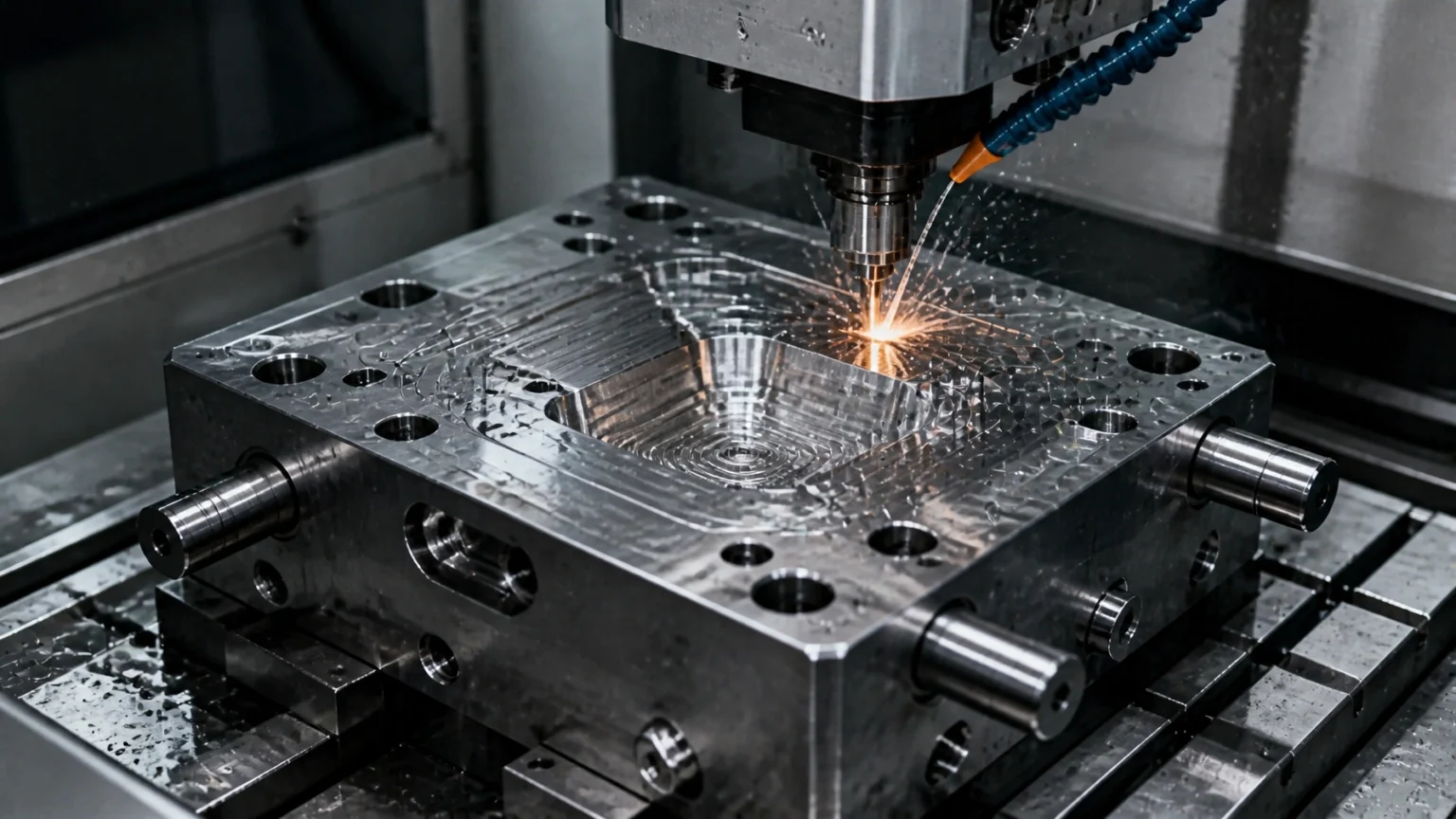
For manufacturers, inventors, and product developers, tooling strategy is not just about choosing domestic or overseas. The smarter approach is often a
hybrid tooling strategy that combines the lower upfront cost of overseas mold building with the accountability, engineering oversight, and production control of a U.S. manufacturing partner.
That is where
Delaney Manufacturing Services delivers real value. We help clients capture the cost-efficiency of overseas tooling without taking on the typical risks themselves. Instead of asking your team to manage offshore communication, monitor mold quality, and troubleshoot shipping delays, Delaney handles the heavy lifting from start to finish.
Why Hybrid Tooling Makes Business Sense
Injection molding is a high-fixed-cost, low-variable-cost process. The
tooling: the physical mold made of steel or aluminum: is usually the largest upfront investment. For many companies, especially those launching a new product or scaling a cost-sensitive program, reducing that upfront tooling cost matters.
Overseas toolmakers can often deliver significant savings on mold construction. The challenge is that lower cost alone does not guarantee a smooth launch. Without proper engineering oversight, supplier management, and quality control, the real cost of a tool can rise quickly through delays, rework, scrap, and lost time.
A hybrid tooling strategy addresses that problem directly. It allows you to benefit from overseas pricing while relying on a domestic partner to manage the process and protect the outcome.
- Lower Upfront Tooling Cost: Overseas mold construction can reduce initial capital requirements.
- Domestic Engineering Oversight: Part design, DFM review, and tooling coordination stay tightly managed.
- Better Quality Control: Mold standards, revisions, and production readiness are monitored by an experienced U.S. team.
- Simplified Project Management: Your team works with one accountable partner instead of juggling multiple vendors across time zones.
For many companies, that balance creates a much stronger total value equation than choosing either extreme on its own.
How Delaney Manages the Heavy Lifting
A hybrid tooling strategy works best when the domestic partner is fully involved from the beginning. At Delaney, we do not simply receive a finished mold and hope for the best. We guide the process from part development through production launch.

Part Design and DFM Come First
Before a mold is built, the part has to be engineered correctly. Our team works through
CAD design, prototyping, and
Design for Manufacturing (DFM) to make sure the part is optimized for molding. This step reduces the chance of costly mistakes during tool construction and improves long-term part consistency.
This is especially important for:
- Complex Geometries: Parts with undercuts, shutoffs, inserts, or tighter tolerances.
- Aesthetic Components: Products that require strong cosmetic finishes or textured surfaces.
- Functional Parts: Components where repeatability, fit, and dimensional control are essential.
We Manage the Overseas Mold Build
Once the design is ready, Delaney manages the overseas tooling process on the client’s behalf. That means we coordinate expectations, review progress, and help prevent the common issues that happen when companies try to source tooling offshore on their own.
Instead of dealing with communication barriers, time zone gaps, and unclear technical feedback, clients get a U.S.-based partner who understands the part, understands the mold, and stays accountable throughout the build.
We Run Production and Maintenance in the U.S.
After the mold is completed, the advantage of the hybrid model becomes even more practical. Delaney can run production domestically, support mold maintenance, and respond quickly when adjustments are needed. That gives clients the lower initial tooling cost of an overseas build while keeping production support and accountability close to home.

The Biggest Risks of Overseas Tooling, Solved
The issue with overseas tooling has never been cost alone. The issue is what happens when something goes wrong and no one is clearly responsible for fixing it. A hybrid strategy solves that by putting Delaney between the client and the common failure points.
Communication Barriers
Direct offshore sourcing can create confusion around specifications, revisions, tolerances, and approval cycles. Delaney acts as the technical bridge, helping ensure the design intent is understood and followed.
Quality Issues
Not every overseas tool is a poor tool, but quality can vary widely without proper oversight. Our involvement helps reduce the risk of tooling shortcuts, missed details, and production issues that only show up after the mold reaches the U.S.
Logistics Delays
International shipping and customs can add uncertainty to any tooling project. Delaney helps manage those moving parts so clients are not left chasing updates or reacting late to avoidable delays.
What Clients Actually Gain from the Hybrid Model
The hybrid tooling model is attractive because it removes the usual tradeoff. You do not have to choose between a low tooling price and a manageable project. With Delaney, you can have both the savings and the support.
Clients benefit from:
- Lower upfront mold cost without managing offshore suppliers alone.
- A single accountable U.S. partner for engineering, tooling coordination, and production.
- Faster problem-solving when revisions, maintenance, or launch support are needed.
- Better long-term production stability because the mold is backed by domestic manufacturing experience.
- Less internal workload for your engineering, sourcing, and operations teams.
This approach is especially useful for companies that want to stay cost-conscious but do not want to gamble with tooling quality or launch timelines.
Total Cost of Ownership Still Matters
Even with the savings of overseas tooling, the smartest decision still comes down to
Total Cost of Ownership (TCO). A mold with a lower purchase price can become expensive if it creates quality issues, downtime, or delays. The hybrid model helps control that risk by adding structure and accountability where it matters most.
Important cost factors still include:
- Tool Construction Cost: The upfront price of the mold itself.
- Engineering Oversight: The value of catching issues before they become production problems.
- Logistics and Timing: The impact of freight, customs, and schedule coordination.
- Maintenance and Support: The ability to service and manage the tool after it is built.
- Production Reliability: The long-term value of repeatable, stable output.
The Delaney Hybrid Tooling Advantage
At
Delaney Manufacturing Services, we offer the best of both worlds. We help clients lower upfront tooling costs through trusted overseas mold-building relationships, while providing the engineering support, communication, accountability, and domestic production capabilities that make the program work in the real world.
We specialize in handling the full process under one roof wherever possible:
- Product Development: From concept sketches to CAD, prototyping, and production-ready design.
- Tooling Coordination: Managing overseas mold builds with experienced oversight.
- Domestic Injection Molding: Running production in the U.S. with responsive support and no minimums.
- Mold Management and Maintenance: Keeping tools production-ready and addressing issues quickly.
- Fulfillment Services: Assembly, packaging, and direct shipment to your customers.
The biggest advantage for clients is simple: you get the lower upfront cost of overseas tooling without the headache of managing it yourself. Delaney acts as the accountable U.S. partner that keeps the project moving, keeps quality in check, and helps turn a tooling decision into a reliable production program.

|
| Images for illustrative purposes. |