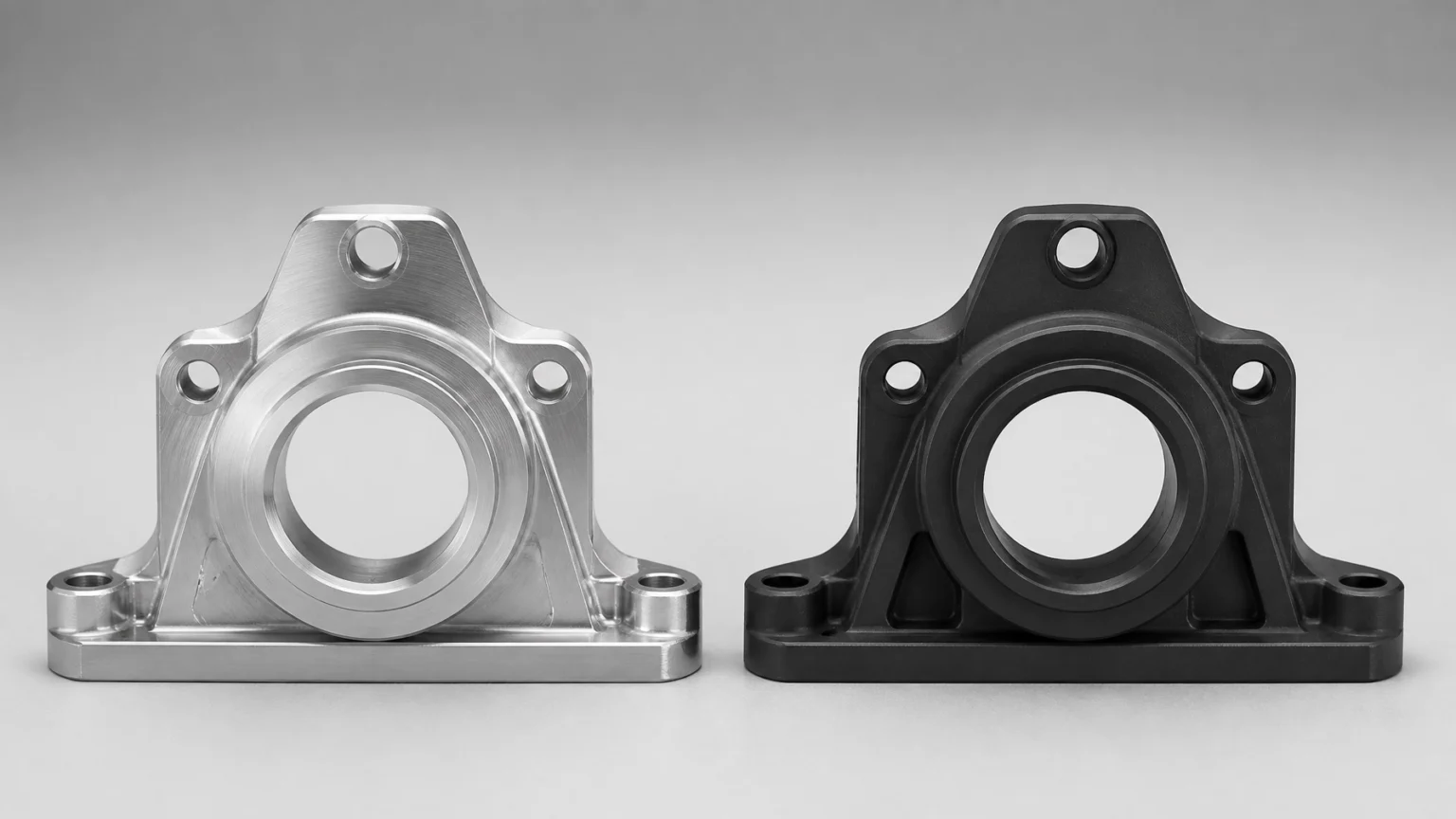
In the current manufacturing landscape of 2026, the pressure to optimize production has never been higher. Global supply chain shifts, the rapid electrification of transport, and aggressive sustainability mandates are forcing OEMs (Original Equipment Manufacturers) to re-evaluate every gram of material used in their products. For many, the answer lies in
metal-to-plastic conversion.
Replacing traditional metal components with high-performance engineered plastics is no longer just a cost-cutting measure; it is a strategic upgrade. By leveraging advanced resins and precision injection molding, businesses are achieving
40% to 50% weight reductions and
25% to 50% overall cost savings.
This transition requires more than just swapping materials. It demands a fundamental re-engineering of the part to exploit the unique properties of polymers. At
Delaney Manufacturing Services, we have spent over 50 years guiding clients through this exact evolution, taking products from heavy, multi-part metal assemblies to streamlined, high-durability plastic components.
The Economic Imperative: Driving Down Total Part Cost
One of the most immediate drivers for metal-to-plastic conversion in 2026 is the reduction of total part cost. While the raw material cost per pound may fluctuate, the
finished cost per part is almost always lower when using plastic injection molding at scale.
Elimination of Secondary Operations
Metal fabrication often involves a series of labor-intensive secondary processes, including:
- Machining and CNC milling
- Welding and fastening
- Deburring and grinding
- Painting or powder coating
In contrast, a properly designed plastic part comes out of the mold finished. Features like threads, textures, and colors can be molded directly into the component. By eliminating these secondary steps, manufacturers drastically reduce cycle times and labor costs.
Extended Tool Life and Repeatability
Modern injection molding tools, especially those managed by an experienced partner, offer exceptional longevity. While metal die-casting tools often wear out quickly due to the high temperatures and pressures required for molten metal, plastic injection molds can produce millions of parts with high repeatability and lower scrap rates. This consistency is vital for maintaining the tight tolerances required in 2026 industrial applications.
Performance Gains: The Power of Lightweighting
As industries like automotive and aerospace move toward 2030 sustainability goals, “lightweighting” has become a critical engineering priority. Every gram saved in a component contributes to improved fuel efficiency in internal combustion engines and extended range in electric vehicles (EVs).

Strength Without the Mass
There is a common misconception that plastic cannot match the structural integrity of metal. In 2026, the availability of
high-performance engineering plastics has rendered this concern obsolete. By utilizing resins reinforced with glass or carbon fibers, engineers can achieve tensile strengths that rival die-cast aluminum or zinc.
The strategic advantage of plastic is its
strength-to-weight ratio. Plastics are significantly less dense than metals. When a part is re-engineered for plastic: rather than simply copied from the metal design: structural ribs and gussets can be added to provide localized strength exactly where the load requires it, without adding the bulk of a solid metal block.
Design Freedom and Part Consolidation
The geometric limitations of metal fabrication: whether through casting, stamping, or machining: often force engineers to create assemblies made of multiple small parts held together by fasteners. Each fastener is a potential point of failure and an added cost in assembly labor.
The Power of Consolidation
Injection molding allows for
part consolidation. A single molded plastic component can often replace an assembly of three, four, or even five metal parts.
- Reduced SKU counts: Fewer parts to track in inventory.
- Simplified assembly: Less time spent on the factory floor putting components together.
- Improved Reliability: Fewer joints and fasteners mean fewer places for the assembly to rattle loose or fail under vibration.
Durability in Harsh Environments
While metals are susceptible to rust, galvanic corrosion, and chemical degradation, engineered plastics are inherently resistant to many of the most destructive environmental factors.

In 2026, as industrial equipment is expected to last longer with less maintenance, the corrosion resistance of plastics provides a significant competitive edge. Plastics do not require the expensive coatings or plating (such as chrome or zinc) that metals need to survive outdoor exposure or contact with harsh cleaning agents in medical and food-processing environments.
The Delaney Difference: 50+ Years of Engineering Wisdom
Converting a metal part to plastic is not a “plug-and-play” process. It requires a deep understanding of polymer rheology, mold flow analysis, and structural engineering. At
Delaney Manufacturing Services, we specialize in this transition.

Our team takes a
“napkin sketch to retail-ready” approach. When a client brings us a metal component, we don’t just look at how to mold it; we look at how to improve it.
- Product Development: We use CAD design and 3D printing to prototype the new plastic version, ensuring the structural integrity meets or exceeds the original metal part.
- Material Selection: With thousands of resins available in 2026, choosing the right one is critical. We help select the optimal polymer based on temperature requirements, chemical exposure, and mechanical load.
- High-Precision Manufacturing: Our facility utilizes state-of-the-art Tederic injection molding machines to ensure every part is produced to exact specifications, whether it is a short-run prototype or a high-volume production.
Scalability and Supply Chain Resilience
In an era of global uncertainty, the ability to produce parts locally and efficiently is a major advantage. Injection molding is a highly scalable process. At Delaney, we work with everyone from individual inventors to large-scale manufacturers, offering
production solutions with no minimum order quantities for those just starting their conversion journey.

By moving to plastic, companies can also reduce their reliance on the volatile global metal markets. The diversity of the polymer supply chain, combined with the ability to use post-consumer recycled (PCR) resins, allows for greater flexibility and better alignment with modern ESG (Environmental, Social, and Governance) goals.
Conclusion: Start Your Conversion Today
The transition from metal to plastic is a proven pathway to reducing costs, improving performance, and streamlining your supply chain. As we move through 2026, the companies that “lighten their load” will be the ones best positioned to compete in an increasingly demanding global market.
If you have a metal part that is too heavy, too expensive to produce, or prone to corrosion, it is time to explore the possibilities of high-performance plastic.
Contact Delaney Manufacturing Services today to speak with an expert and begin the re-engineering process.
|
| Images for illustrative purposes. |